
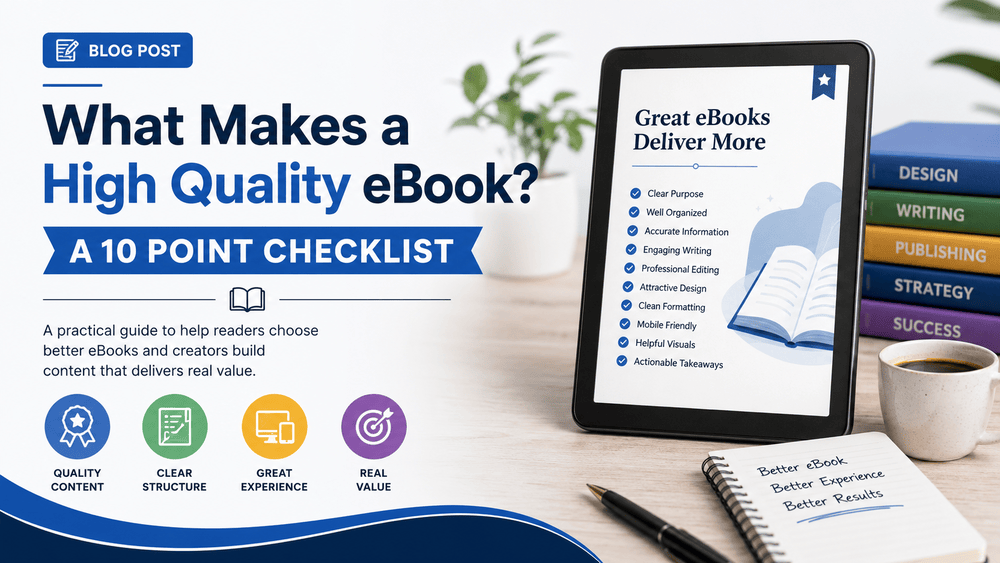
The popularity of eBooks continues to grow as more people turn to digital reading for learning, entertainment, and professional development. However, not all eBooks deliver the same value. Some provide a smooth, engaging reading experience, while others are filled with formatting issues, outdated information, or poorly organized content.
Whether you're buying an eBook for personal use or creating one to share with readers, knowing what separates a high-quality eBook from a mediocre one is essential. This 10-point checklist will help you identify the characteristics that make an eBook worth reading and recommending.
Why eBook Quality Matters
A well-made eBook saves readers time, improves comprehension, and creates a more enjoyable reading experience. For authors and publishers, quality leads to better reviews, increased trust, and higher conversion rates.
Readers today have countless digital resources available. If an eBook fails to meet expectations, most people will quickly move on to another option. That's why attention to quality is more important than ever.
1. Clear Purpose and Target Audience
Every high-quality eBook starts with a clear objective. Ask yourself:
- What problem does the eBook solve?
- Who is it written for?
- What outcome should readers achieve?
An eBook about local history, for example, should provide valuable insights and stories for history enthusiasts, researchers, or residents interested in their community's heritage.
When an eBook has a well-defined audience, the content feels more focused and relevant.
2. Well-Organized Structure
Readers should never feel lost while navigating an eBook. A quality eBook includes:
- A logical table of contents
- Clear chapter divisions
- Descriptive headings and subheadings
- Smooth transitions between topics
Good organization helps readers find information quickly and improves overall readability. Whether the eBook is 20 pages or 200 pages long, structure plays a major role in the reader experience.
3. Accurate and Reliable Information
Nothing damages credibility faster than incorrect information. High-quality eBooks are based on:
- Verified facts
- Reliable sources
- Current information
- Careful research
For educational, business, health, history, or technical topics, accuracy is especially important.
Readers expect trustworthy information. Taking the time to verify details increases the value and authority of an eBook.
4. Engaging and Easy-to-Read Writing
A great eBook communicates ideas clearly. Good writing doesn't mean using complicated language. In fact, the best eBooks often use simple, straightforward language that makes information easier to understand.
Look for:
- Short paragraphs
- Active voice
- Clear explanations
- Natural flow
Readers are more likely to finish an eBook when the content feels approachable and engaging.
5. Professional Editing and Proofreading
Even excellent content can lose credibility if it's filled with errors. A high-quality eBook should be carefully edited for:
- Grammar mistakes
- Spelling errors
- Punctuation issues
- Consistency problems
Professional proofreading creates a polished reading experience and demonstrates attention to detail.
Before publishing or purchasing an eBook, it's worth checking whether the content appears professionally reviewed.
6. Attractive and Relevant Cover Design
People often judge an eBook by its cover. An effective eBook cover should:
- Reflect the topic accurately
- Look professional
- Be easy to read as a thumbnail
- Match the intended audience
For example, a business eBook requires a different design approach than a children's eBook or a local history publication.
A strong cover creates a positive first impression and encourages potential readers to explore further.
7. Clean Formatting and Layout
Formatting can significantly affect readability. A high-quality eBook should have:
- Consistent fonts
- Proper spacing
- Readable text sizes
- Well-aligned images
- Clear section breaks
Poor formatting can make even valuable content frustrating to read. Good design keeps the focus on the information rather than distracting readers with visual issues.
8. Mobile-Friendly and Device-Compatible Design
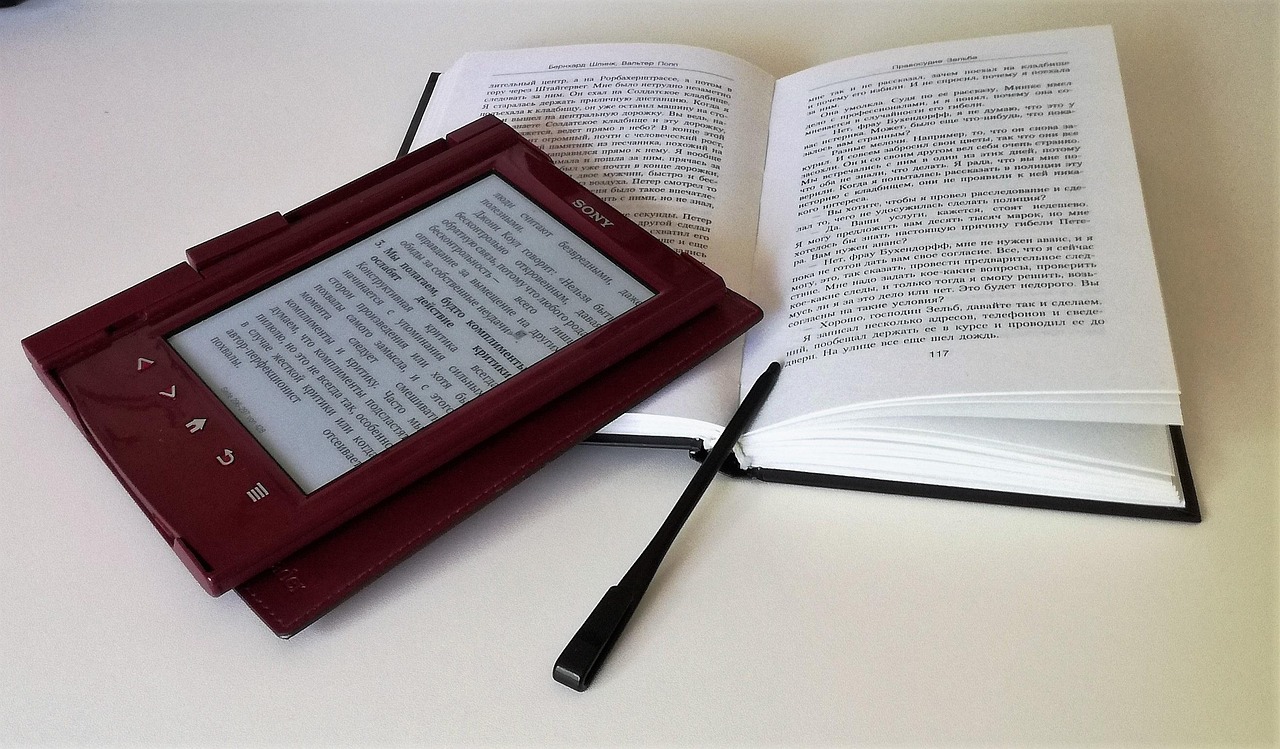
Many readers access eBooks on smartphones, tablets, and eReaders. A quality eBook should display properly across different devices without:
- Cut-off text
- Distorted images
- Broken layouts
- Navigation problems
Responsive formatting ensures a smooth experience regardless of screen size. Testing an eBook on multiple devices before publication can help identify potential issues.
9. Helpful Visual Elements
Images, charts, diagrams, and illustrations can improve understanding when used appropriately. Effective visuals should:
- Support the content
- Improve comprehension
- Be high quality
- Load efficiently
For example, a history eBook may benefit from archival photos, while a business guide may include charts and infographics. Visual elements should add value rather than simply fill space.
10. Actionable Takeaways for Readers
The best eBooks leave readers with something useful. Depending on the topic, this might include:
- Practical tips
- Step-by-step instructions
- Worksheets
- Checklists
- Resources for further learning
Readers appreciate content they can immediately apply in their personal or professional lives. Actionable information increases the perceived value of an eBook and encourages positive reviews and recommendations.
Bonus Tip: Easy Navigation Features
Many readers overlook navigation until they need it. High-quality eBooks often include:
- Clickable table of contents
- Internal links
- Bookmarks
- Hyperlinks to references
These features improve usability and make it easier to revisit important sections. Navigation becomes especially valuable in longer educational or reference-based eBooks.
How to Use This Checklist Before Buying an eBook
When evaluating an eBook, ask yourself:
- Does it clearly address a specific topic or problem?
- Is the content well-organized?
- Are the facts accurate and credible?
- Is the writing clear and engaging?
- Has it been professionally edited?
- Does the cover look professional?
- Is the formatting clean and consistent?
- Does it work well on different devices?
- Are visuals used effectively?
- Does it provide practical value?
If the answer is "yes" to most of these questions, you're likely looking at a high-quality eBook.
Final Thoughts
A high-quality eBook is more than a digital file. It combines valuable content, professional presentation, accurate information, and a reader-friendly experience. Whether you're purchasing an eBook for learning or creating one for your audience, this 10-point checklist provides a reliable framework for evaluating quality.
The best eBooks educate, inspire, entertain, or solve problems while remaining easy to read and navigate. By focusing on these ten essential elements, authors can create better digital products, and readers can make more informed purchasing decisions.
When quality comes first, everyone benefits—from the creator who builds trust to the reader who gains genuine value from the experience.
***
I have some high-quality eBooks for sale:
- Churches of Nueva Ecija (Cabiao, San Isidro, Gapan, and San Antonio) eBook
- Echoes of San Antonio: The Last Heritage Houses
- True Philippine Ghost Stories eBook Collection (Books 1–37): Complete Bundle of Classic Filipino Horror | Nostalgic & Spine-Chilling Reads
- Over 50,000 Resellable eBooks: Your Ready-Made Digital Business Solution
- TikTok Shop / Affiliate Marketing Blueprint 2026
***
Similar stories:
Comments ()